
Sellers often focus solely on the upgrades they can add to increase their asking price. However, avoiding value-killing mistakes is just as crucial. Poor decisions during home remodeling projects can actually subtract money from your final sale. Consequently, understanding what drives buyers away protects your real estate investment. This guide highlights the specific features and conditions that devalue a house the most.
Over-Personalization and Niche Spaces
Buyers want to envision themselves living in the home. When you design a space that caters exclusively to your unique tastes, you alienate potential buyers. For example, painting walls in vibrant, unconventional colors forces buyers to see the home as a massive painting project. Similarly, removing a bedroom to create a massive walk-in closet appeals to a very small demographic.
Consequently, highly personalized home renovation choices shrink your buyer pool. Converting a functional garage into a specialized hobby room, like a music studio, often devalues the property. Most buyers prioritize parking and storage over a niche studio space. Therefore, maintain neutral colors and traditional layouts if you plan to sell in the near future.
Poor Quality DIY and Shoddy Workmanship
The rise of DIY television shows encourages homeowners to tackle complex projects themselves. Unfortunately, bad DIY work destroys property value. Sloppy tile work, uneven flooring, and poorly installed light fixtures instantly signal a poorly maintained home. Buyers fear that if the visible work looks bad, the hidden plumbing or electrical work is equally dangerous.
Often, buyers will demand a price reduction to cover the cost of fixing these mistakes. Sometimes, they walk away entirely. In fact, many buyers actively search for a “home restoration near me” service after their inspection reveals shoddy DIY work. Always hire licensed professionals for complex tasks. Paying for quality now saves you from heavy discounts at the negotiating table later.
Neglected Structural Issues and Deferred Maintenance
A fresh coat of paint cannot hide a failing foundation. When you ignore critical maintenance, your home loses significant value. Leaky roofs, aging HVAC systems, and crumbling foundations are massive red flags. Buyers usually require a home inspection before finalizing a purchase. The inspector will uncover these hidden defects, forcing you to make costly repairs or accept a lower offer.
Therefore, your home remodeling budget should prioritize infrastructure. Fix the roof before you install granite countertops. Repair the foundation before you buy new appliances. Buyers happily pay a premium for a structurally sound home. Conversely, they aggressively negotiate down the price when they spot deferred maintenance.
Overbuilding for the Neighborhood
You might love the idea of a massive home additions project. However, expanding your home beyond the neighborhood standard hurts your value. Real estate agents call this over-improving. If you own a modest three-bedroom home in a neighborhood of identical houses, adding a massive, luxury two-story extension creates the most expensive house on the block.
The surrounding homes will drag down your appraisal value. Consequently, you will never recoup the money you spent on the addition. Therefore, research the local market before starting large projects. Ensure your upgrades match the expectations and price ceilings of neighboring properties.
The Danger of Bad Curb Appeal
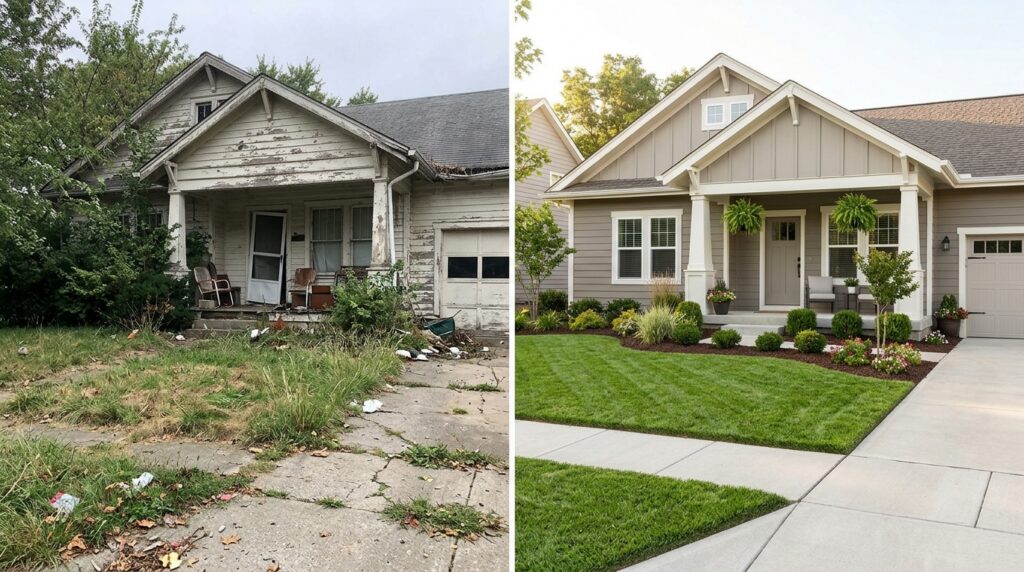
Buyers judge a book by its cover, literally. The exterior of your home creates the crucial first impression. If your front yard looks messy, your exterior paint peels, or your front door looks old, buyers form a negative bias. This bias affects the entire showing. Furthermore, poor landscaping and overgrown trees suggest a lack of general care.
Additionally, unique or loud exterior paint colors can severely limit your buyer pool. A bright purple house might appeal to you, but it screams expensive repainting to a buyer. Focus your home renovation efforts on clean, neutral landscaping and fresh, universally appealing exterior colors. Proper lighting and a well-maintained walkway also add immediate value.
How to Protect Your Home’s Value
Protecting your equity requires careful decision making. First, prioritize maintenance over luxury upgrades. A functioning roof holds more value than a luxury bathtub. Second, keep your design choices neutral and universally appealing. Third, never tackle complex plumbing or electrical work without professional help.
Additionally, consult with a local real estate agent before starting major home remodeling projects. They understand the current market trends in your specific neighborhood. They will tell you which upgrades yield a high return on investment and which ones waste money. Ultimately, restraint and proper planning protect your property value.
Making Smart Renovation Choices
Your home is likely your largest financial asset. Therefore, you must treat every upgrade as an investment. Avoid the temptation to cut corners or create highly customized spaces. Instead, focus on creating a safe, functional, and welcoming environment. Prioritize repairs and standard updates that appeal to the broadest range of buyers.
Whether you plan to sell next month or in ten years, smart choices matter. Good home remodeling boosts equity and improves your daily life. Bad choices drain your savings and make selling difficult. If you need guidance on what upgrades actually add value, consult a professional contractor or real estate expert today.
Frequently Asked Questions
- What devalues a house the most?
Severe deferred maintenance and poor quality DIY work devalue a house the most. Unaddressed structural issues cause buyers to walk away or demand massive discounts. - Do poorly planned home additions lower value?
Yes. Overbuilding for the neighborhood is a major problem. If your home becomes the most expensive one on the block, you will struggle to recoup the cost of the home additions. - Does bad landscaping affect home value?
Absolutely. Messy yards and overgrown trees create a terrible first impression. Poor curb appeal makes buyers assume the interior lacks maintenance as well. - Can highly personalized decor lower my asking price?
Yes. Bright colors, niche hobby rooms, and missing bedrooms shrink your buyer pool. Neutral home renovation choices appeal to a wider audience. - What if my DIY project goes wrong?
Bad DIY work destroys trust. Buyers will assume hidden issues exist. They often look for a home restoration near me service and deduct the repair cost from their offer. - Is a swimming pool a good investment?
Usually, no. Pools cost thousands to maintain and take up valuable yard space. Many families view pools as a safety hazard and refuse to consider homes with them. - How does a bad roof impact value?
A failing roof is a major structural red flag. Buyers know a new roof costs tens of thousands of dollars. Therefore, they will deduct the full replacement cost from the asking price. - Should I convert my garage into a living space?
In most neighborhoods, converting a garage devalues the home. Buyers prioritize secure parking and storage space over extra living square footage. - Does popcorn ceiling lower value?
Popcorn ceilings look outdated. While they do not ruin a home’s value, they make a property look older. Removing them is a smart, affordable upgrade. - How can I avoid losing money on home remodeling?
Focus on maintenance and neutral updates. Consult local agents to understand neighborhood standards. Avoid moving load-bearing walls or making highly personal design choices.